How Temp-Mail is Reclaiming Our Right to Privacy in an Age of Data Hunger
In the quiet hours of a Tuesday evening, Sarah sits at her kitchen table, staring at yet another Verify Your Email" prompt. She wants to download a free e-book about meditation, something to help with the anxiety that's been mounting since her data was leaked in last month's corporate breach. But hesitation creeps in. Her primary inbox is already a battlefield of promotional newsletters, phishing attempts, and reminders of accounts she doesn't remember creating. With a sigh, she opens a temporary email service, receives a disposable address, and within seconds, she's reading her e-book. No strings attached. No future spam. No piece of her digital soul surrendered to another database.
This is the human face of MonBast-Mail, not just a technical tool, but a digital sanctuary in an era where our email addresses have become keys to our identity, tracked, traded, and weaponized against us.
The Invisible Burden of Permanence
We rarely think about the weight of permanence until it crushes us. Every quick signup for a coupon, every mandatory registration to read a news article, every app download that demands our email before revealing its value-these aren't just inconveniences. They're permanent contracts we sign in digital ink, trading pieces of our attention and privacy for momentary access.
The average person now manages 100+ online accounts, most linked to a primary email that serves as a master key to their digital life. When that key is compromised, as it was for the 3 billion Yahoo users in 2013, or the countless breaches since, the damage isn't just technical. It's deeply personal. Passwords reset without consent. Identity theft that takes years to untangle. The creeping violation of knowing your personal correspondence is being sold on dark web markets alongside credit card numbers and medical records.
Temp-Mail emerged not from Silicon Valley's obsession with disruption, but from a primal human need: the right to forget, to be transient, to interact without permanent consequence.
The Anatomy of Disposability
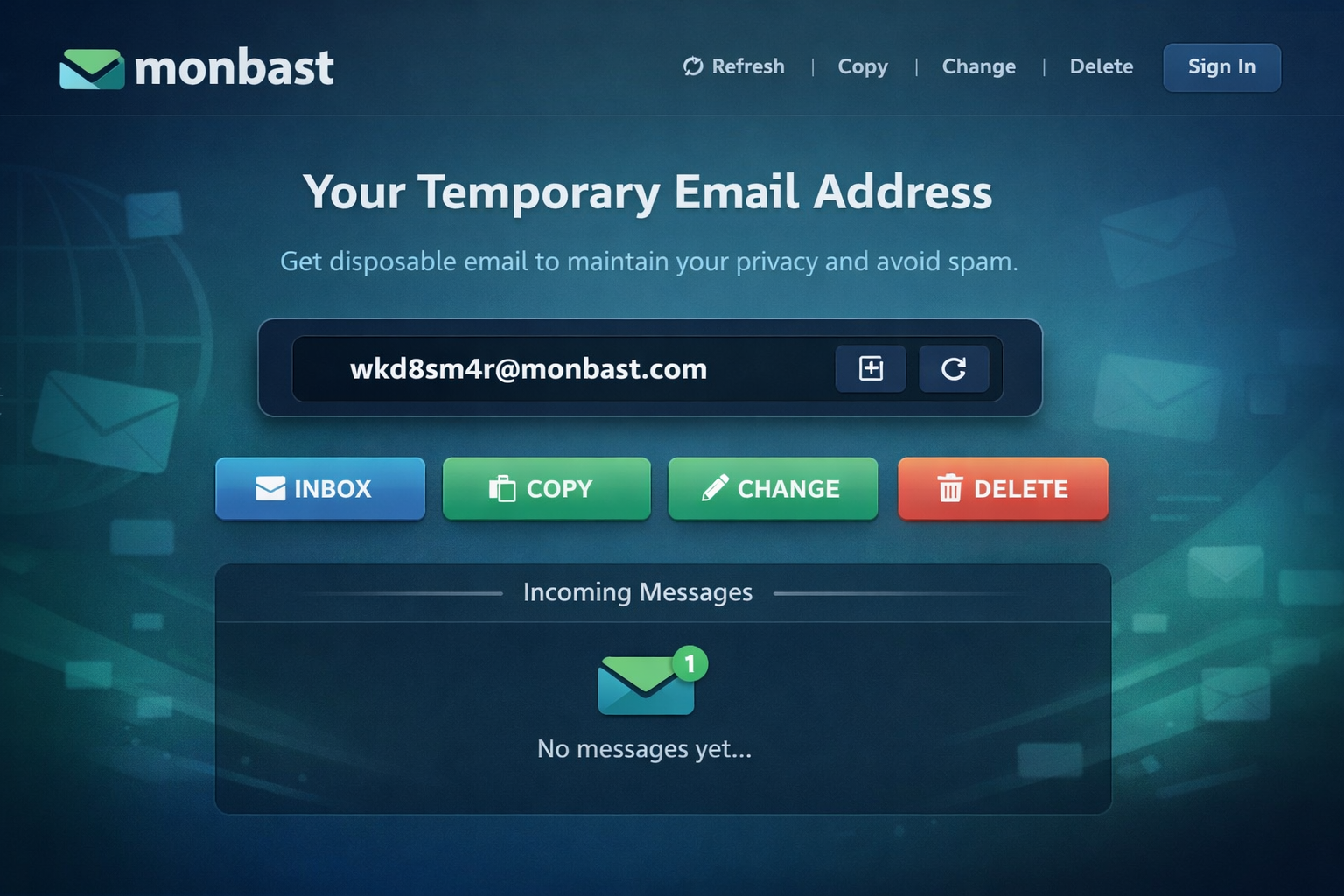
At its core, Temp-Mail is elegantly simple. It provides email addresses that exist for minutes, hours, or days-long enough to receive a verification link or confirmation code, then vanish like digital smoke-no registration required. No personal information exchanged. Just a random string of characters standing between you and the service you need.
But this simplicity masks profound implications. When Marcus, a freelance journalist investigating extremist groups online, uses a temporary email to access restricted forums, he's not being paranoid-he's being professional. When Elena, a domestic violence survivor, creates a throwaway address to search for housing resources without her abuser tracking her digital footprint, Temp-Mail isn't just convenient-it's potentially lifesaving.
These services operate on the radical premise that not every interaction requires a relationship. Not every transaction needs a memory. In a world engineered for permanence-where deleted social media posts resurface in job interviews and decade-old forum comments become character evidence- temporality is rebellion.
The Human Ecosystem of Temporary Identities
Walk through any coffee shop, and you'll find the unacknowledged community of Temp-Mail users. The college student is registering for three different trial streaming services to binge-watch shows during finals week. The activist is organizing a protest without leaving a digital trail for authoritarian surveillance. The parent creates a temporary account to buy a surprise gift without alerting the family's computer to autocomplete features.
Dr. Aisha Rahman, a cybersecurity researcher at MIT, describes this phenomenon as digital compartmentalization-the healthy psychological practice of separating aspects of our lives that technology has aggressively merged. We're not the same person in every context, she explains. Temp-Mail allows us to maintain the boundaries that physical spaces naturally provide. You don't give your home address to every store you enter; why give your permanent email to every website you visit?
This compartmentalization serves mental health as much as security. The anxiety of inbox zero, the dread of Monday morning's promotional deluge, the cognitive load of managing subscriptions we never meant to keep—these are modern afflictions that disposable emails quietly cure.
The Shadow Side: Weapons and Shields
Like any tool, Temp-Mail exists in moral ambiguity. The same features that protect whistleblowers also enable trolls. The anonymity that shields political dissidents can mask fraudsters creating fake accounts to exploit platforms. Some websites have responded by blocking known temporary email domains, creating an arms race between privacy advocates and security teams.
Yet this tension reveals more about our digital infrastructure than the tool itself. We've built an internet where trust is so broken that verification requires surveillance, where the default assumption is malicious intent unless you surrender identifiable information. Temp-Mail doesn't create dishonesty; it responds to an environment where honesty is punished with data exploitation.
The ethical question isn't whether temporary emails should exist, but why they've become necessary. In a healthier digital ecosystem, we wouldn't need disposable identities because our primary ones wouldn't be under constant assault.
The Future of Forgetfulness
As artificial intelligence makes data mining more invasive and quantum computing threatens encryption standards, the hunger for our digital identities will only intensify. Regulations like GDPR and CCPA attempt to protect us through legal frameworks, but laws move slowly while technology accelerates. Temp-Mail represents a grassroots solution, individuals taking privacy into their own hands when institutions fail to protect them.
Emerging trends suggest this isn't a fringe practice but a growing movement. Burner phone apps, virtual credit cards, masked phone numbers-these tools form an ecosystem of strategic impermanence. We're witnessing the democratization of privacy, once the domain of tech elites and spy agencies, now available to anyone with a browser.
Conclusion: The Right to Be Ghosts
There's something deeply human about the desire to leave no trace. Ancient nomads moved with the seasons, leaving campsites to be reclaimed by nature. Medieval travelers could enter a town, conduct their business, and depart without a permanent record. Only in the digital age have we been forced to drag an ever-growing chain of data behind us, each link a potential vulnerability.
Temp-Mail offers a glimpse of digital nomadism-the ability to pass through the internet's vast landscape without settling permanently, to touch without being held, to exist briefly and then dissolve. It reminds us that privacy isn't about having something to hide; it's about having something to protect: our attention, our safety, our right to evolve without our pasts being weaponized against us.
As Sarah closes her meditation e-book and the temporary email address expires into digital nothingness, she experiences a rare modern luxury: completion. No follow-up marketing. No data retention policies. No future vulnerability. Just a moment of peace, unmonitored and unmonetized, in a world that rarely allows such things.
In the end, Temp-Mail isn't about emails. It's about autonomy-the radical, necessary assertion that we are not our data, and we have the right to walk away.